Full sole
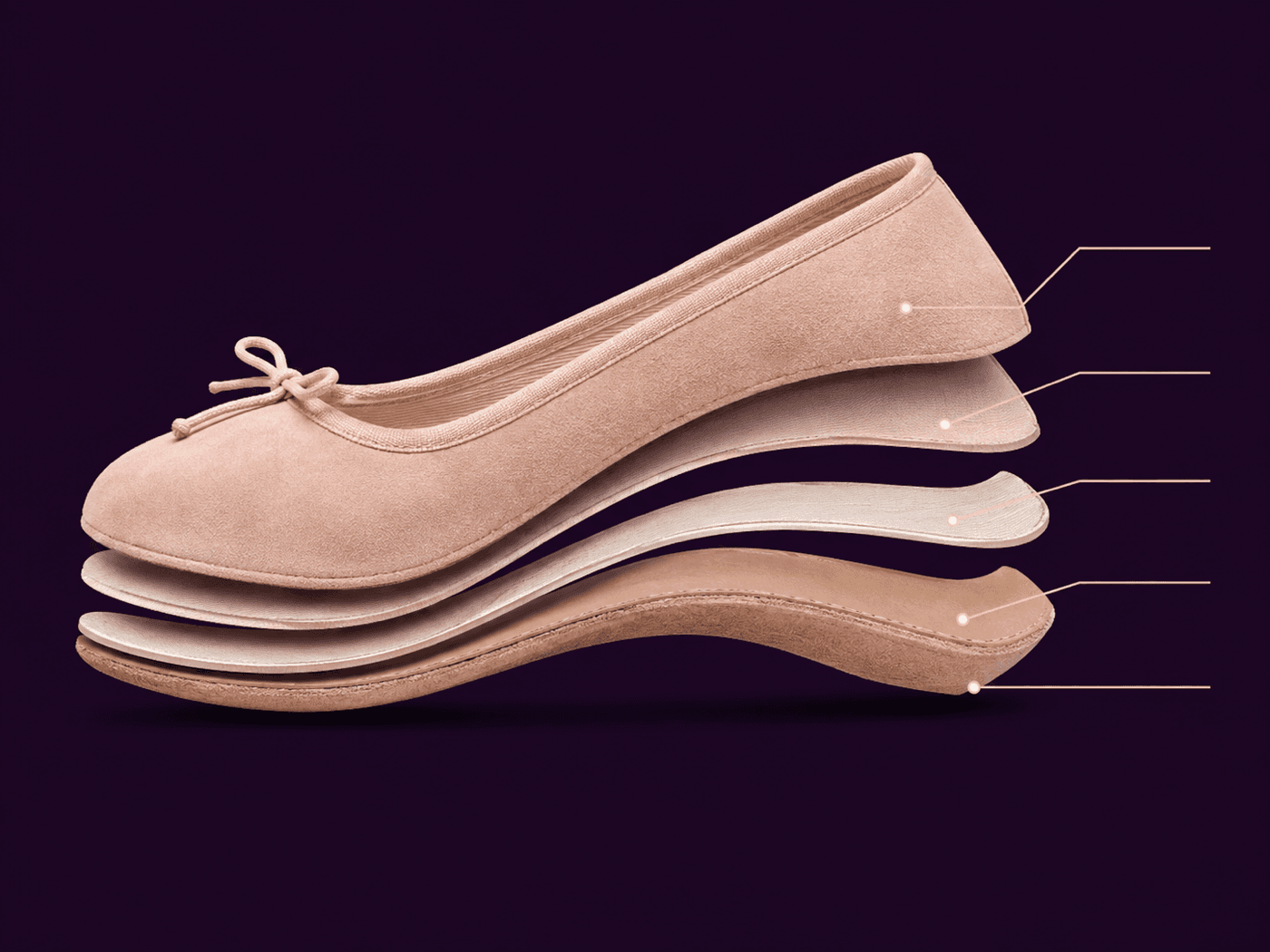
One continuous piece of sole material under the whole foot. There is more resistance under the arch, which is the construction many beginner classes start with.
The floor decides
Split sole or full sole, suede or leather bottom. We write down what the bottom is made of and which floors it is meant for — then you decide.
Discipline
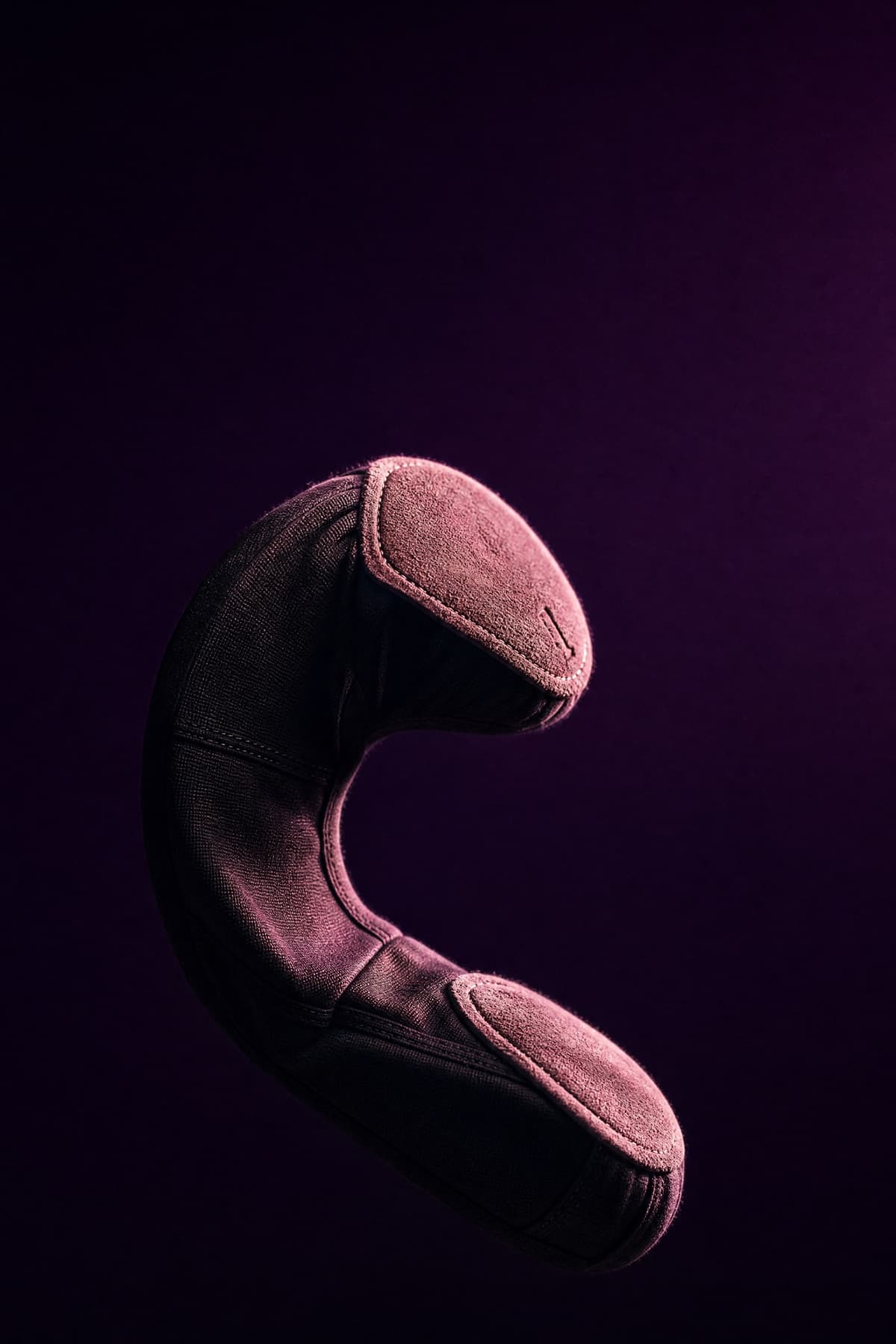
Split sole
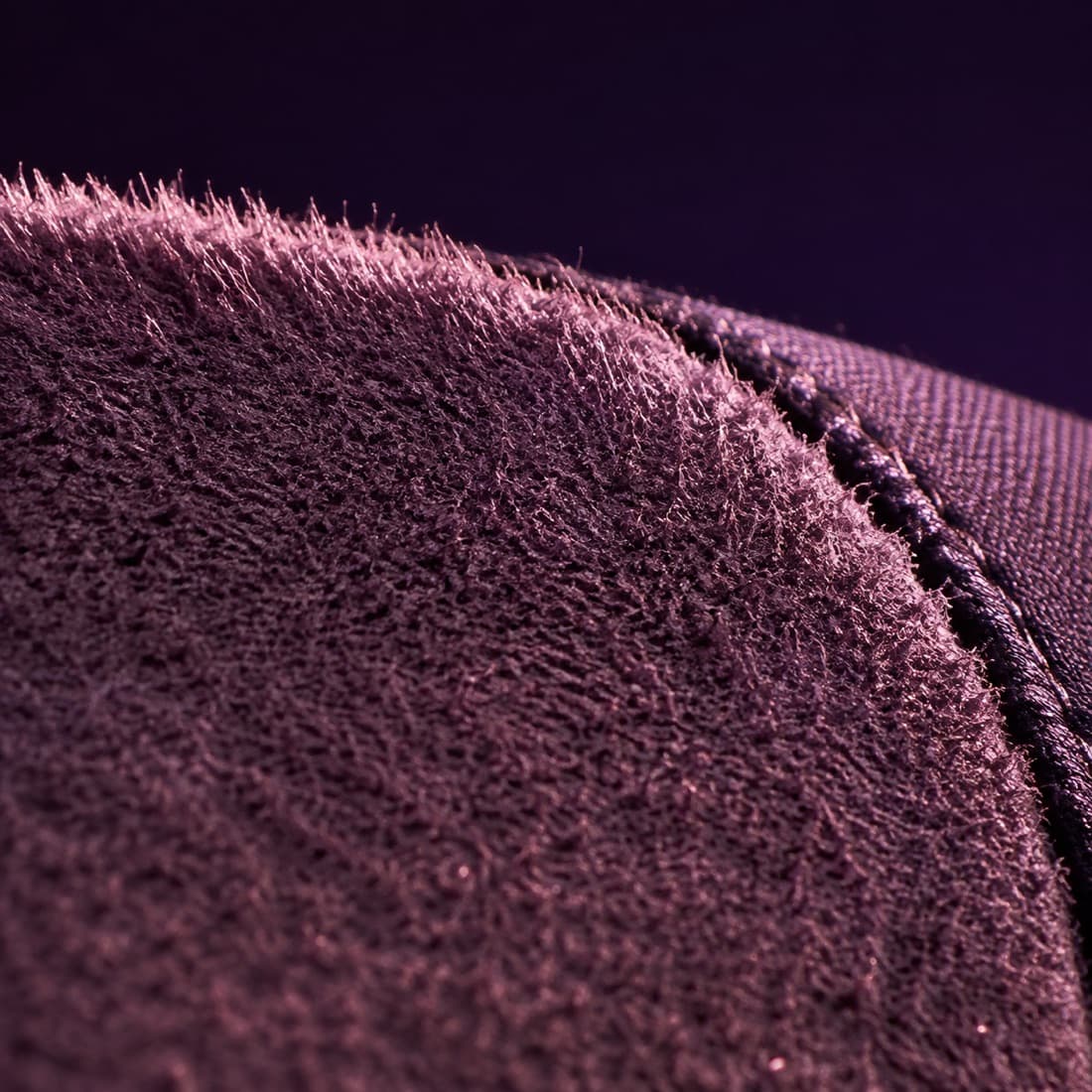
Suede bottom · 1.4 mm
Surface
02The turn
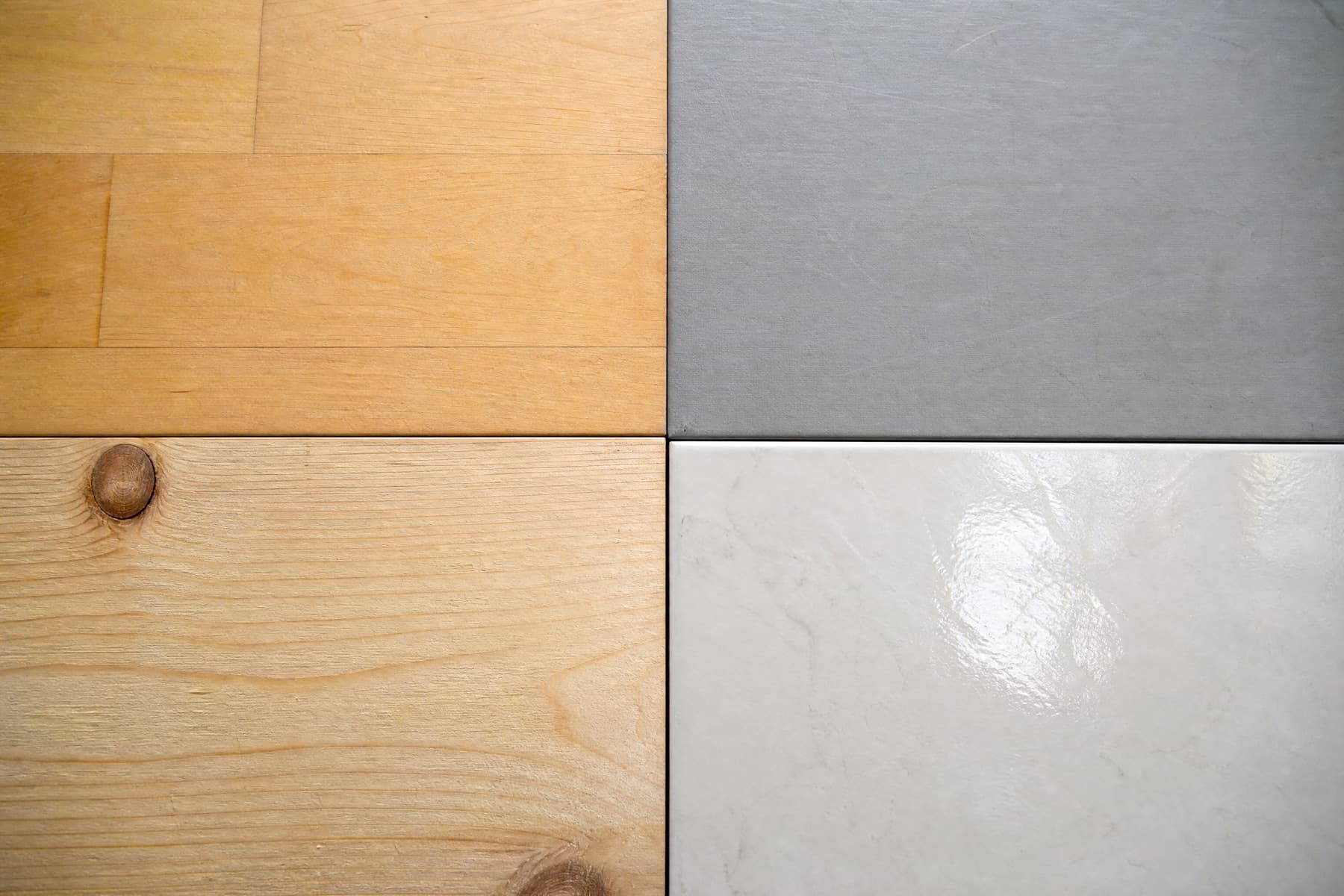
A wooden floor built on a flexible subframe, usually sealed with a satin finish. The most common studio floor.
A rolled vinyl surface laid over a subfloor, matte and slightly textured. Sold by the roll, taped at the seams.
Ordinary floorboards with no finish and no sprung subframe. Open grain, sometimes gaps between planks.
A hard, unyielding surface with no give at all. Common in garages, kitchens and hallways.
Low-pile or loop carpet. The fibres hold on to whatever is pressed into them.
Grip depends on the floor, its finish, and how it's cleaned. We can only tell you what the bottom is made of.
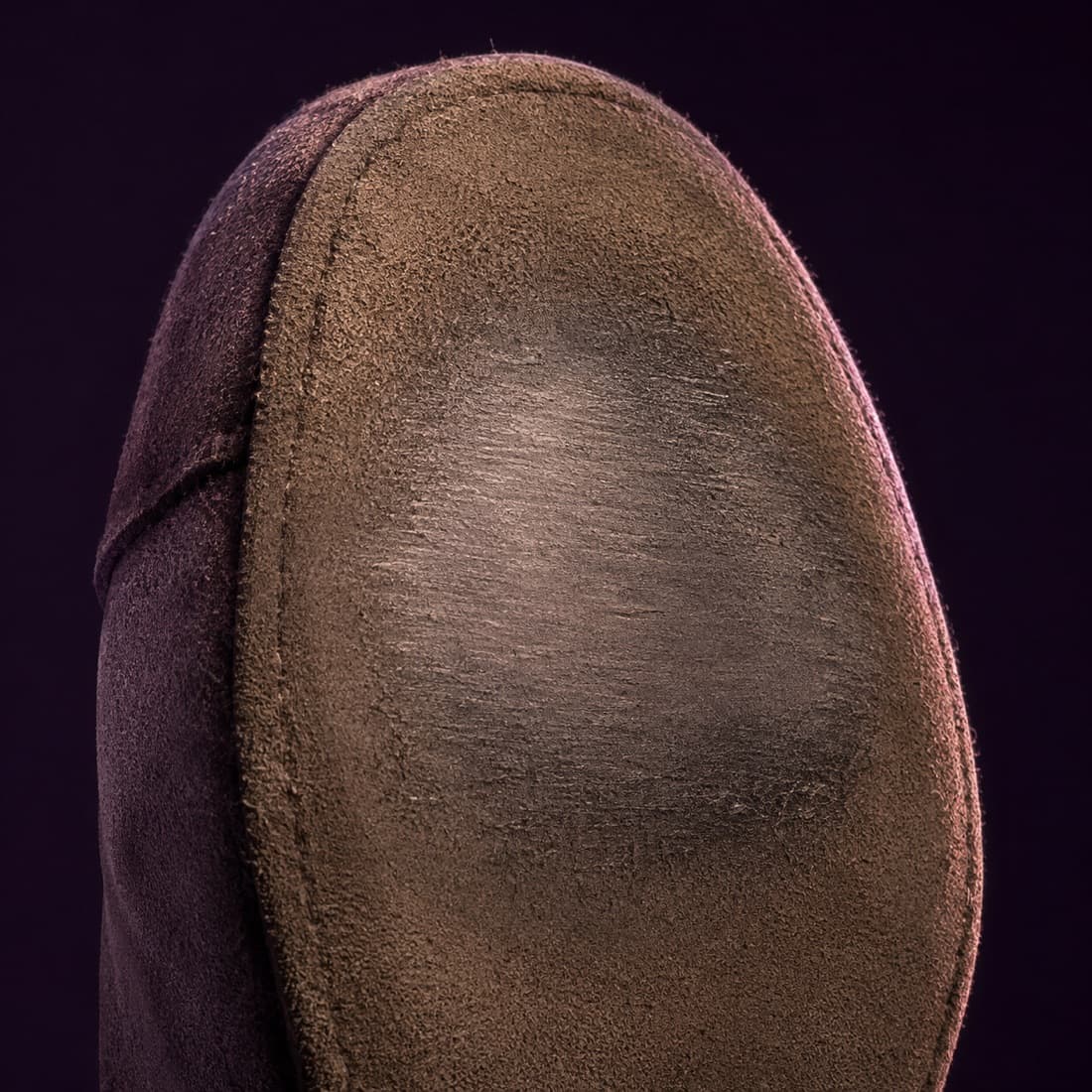
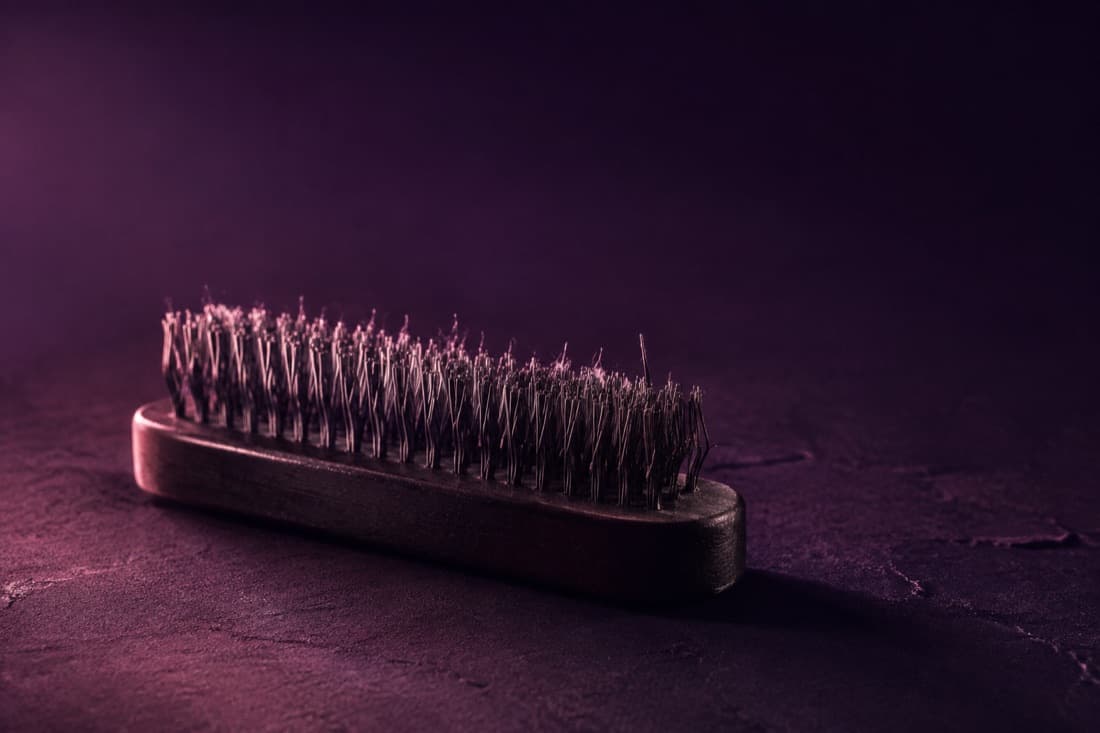
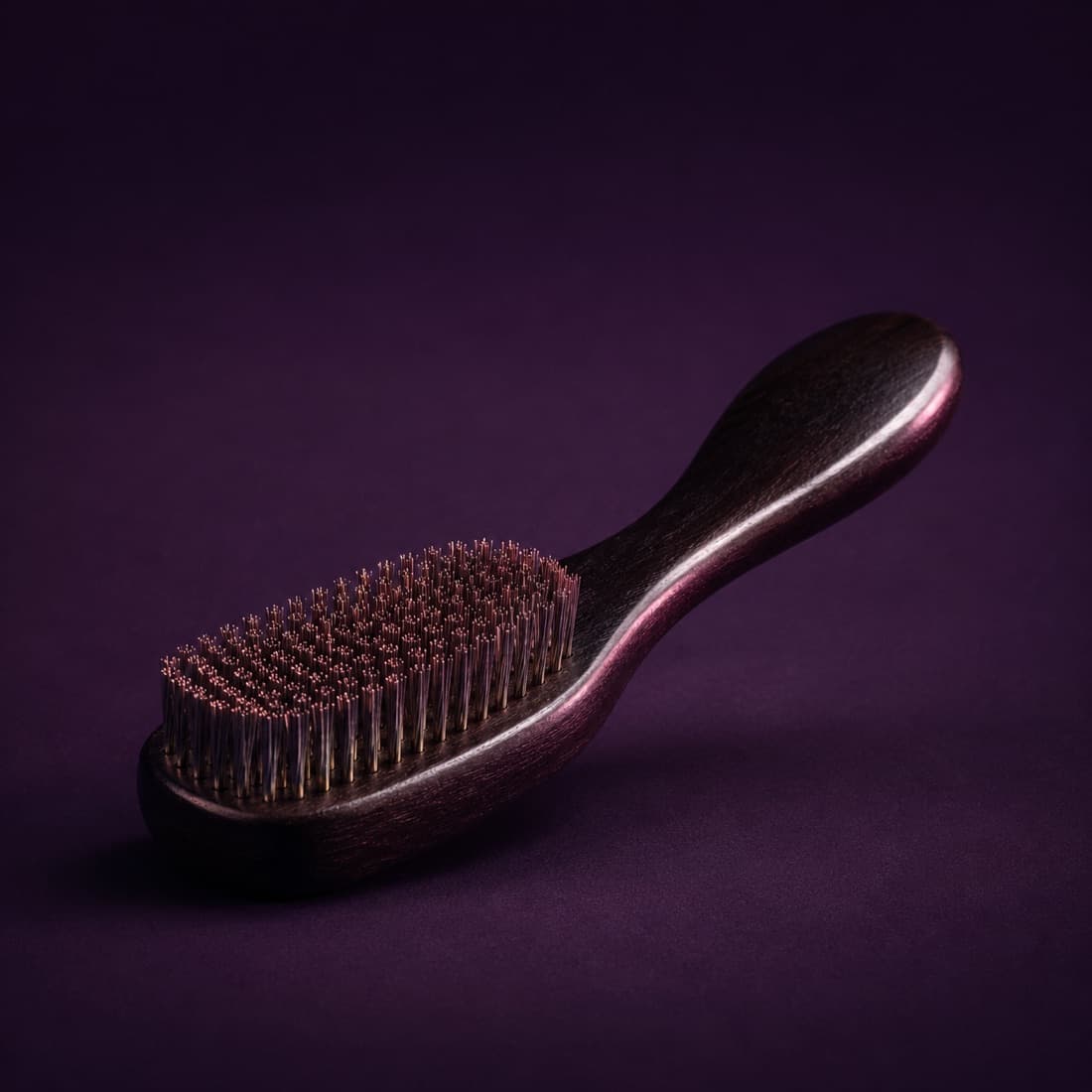
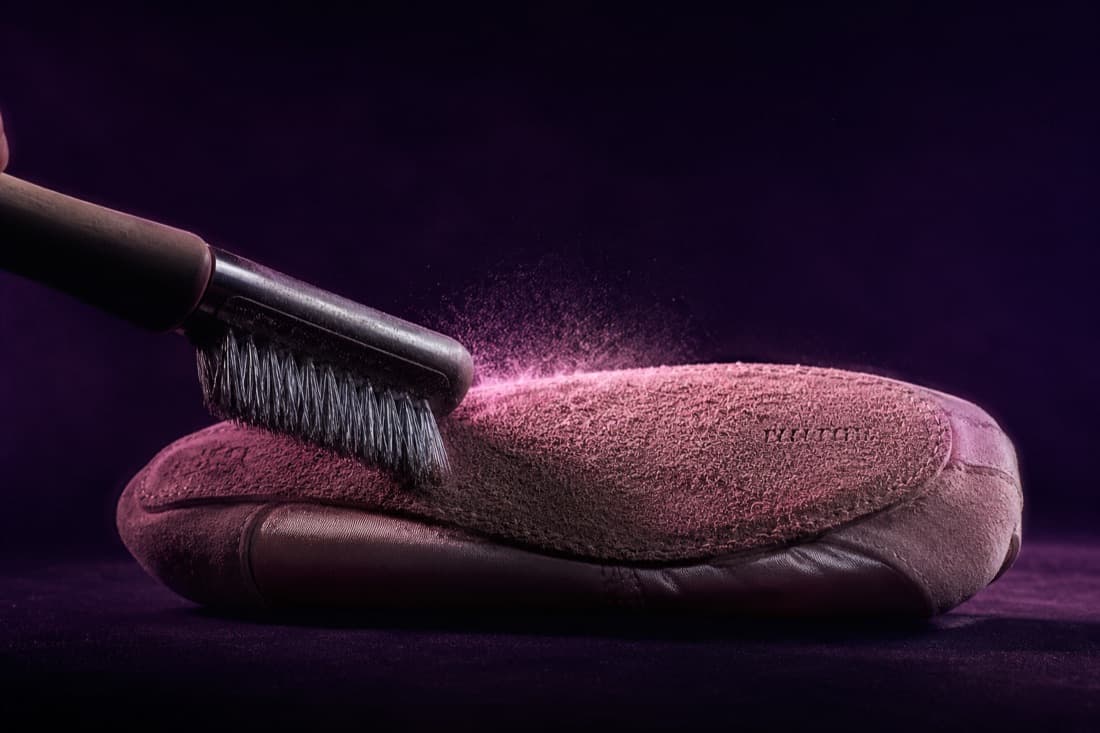
The same shoe, four months apart. The bottom on the right has not been brushed. It is not broken and it is not a defect — it is what suede does.
03Floor Match
Two answers and we will tell you what the bottom should be made of.
04Construction
One continuous piece of sole material under the whole foot. There is more resistance under the arch, which is the construction many beginner classes start with.
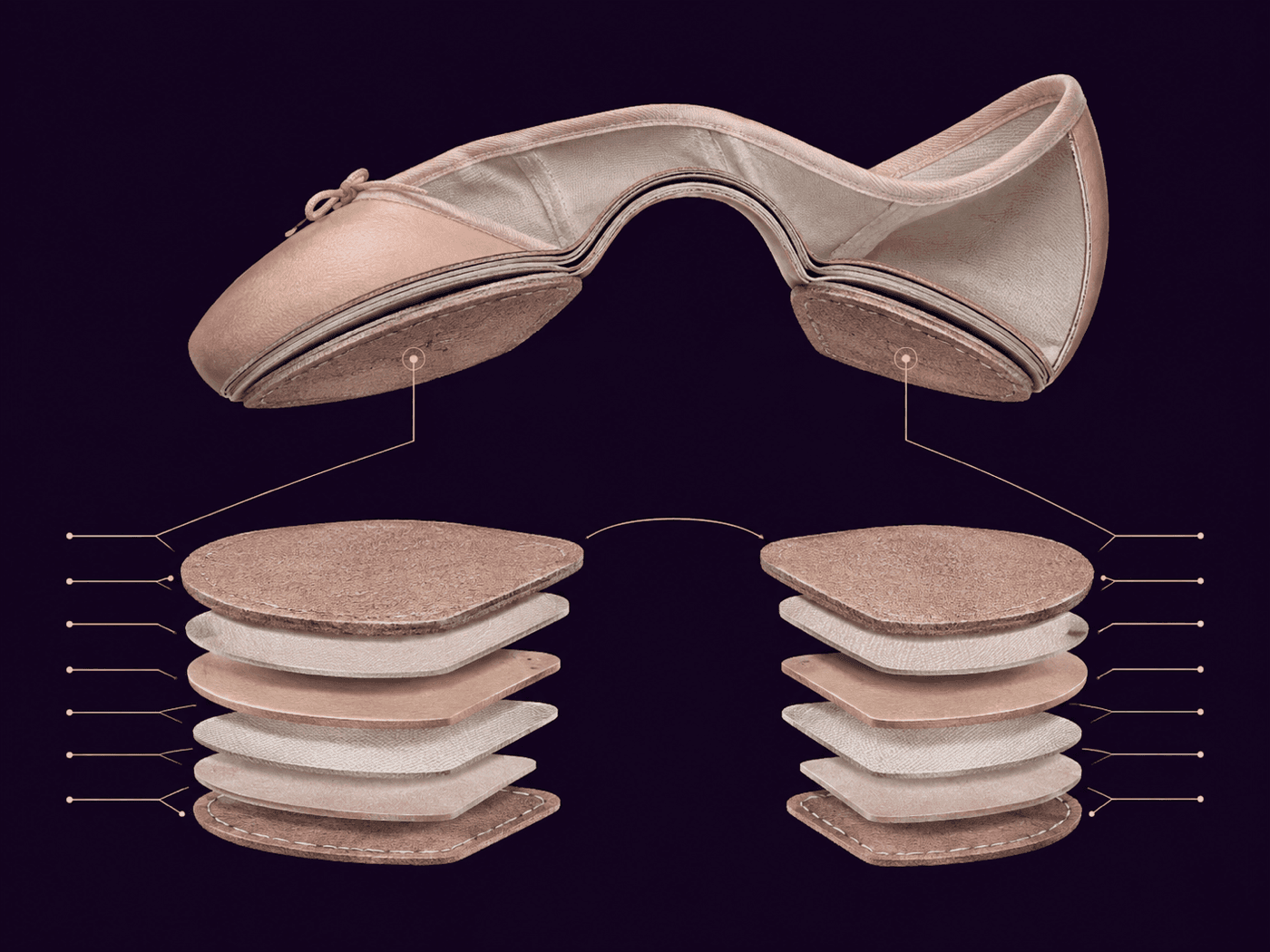
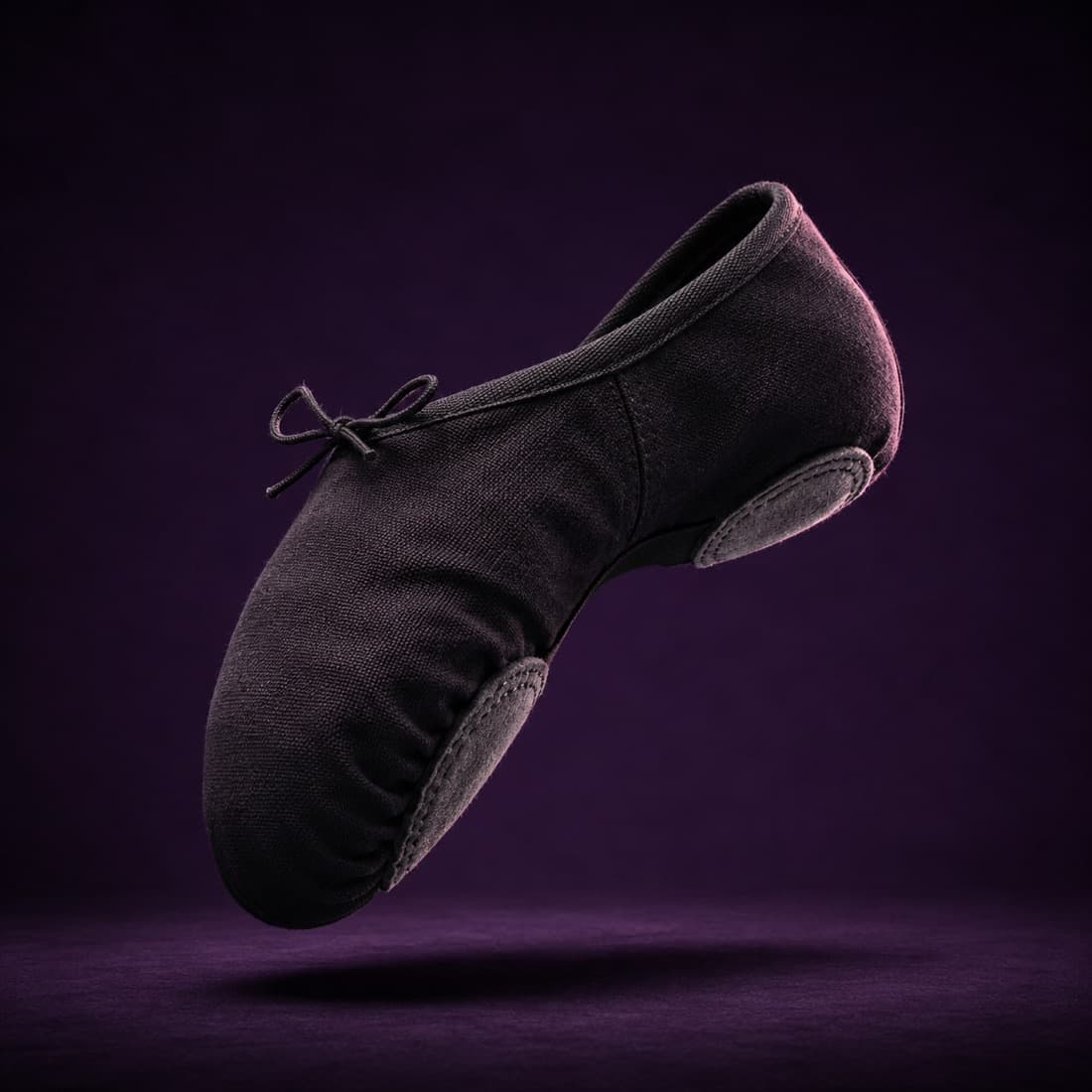
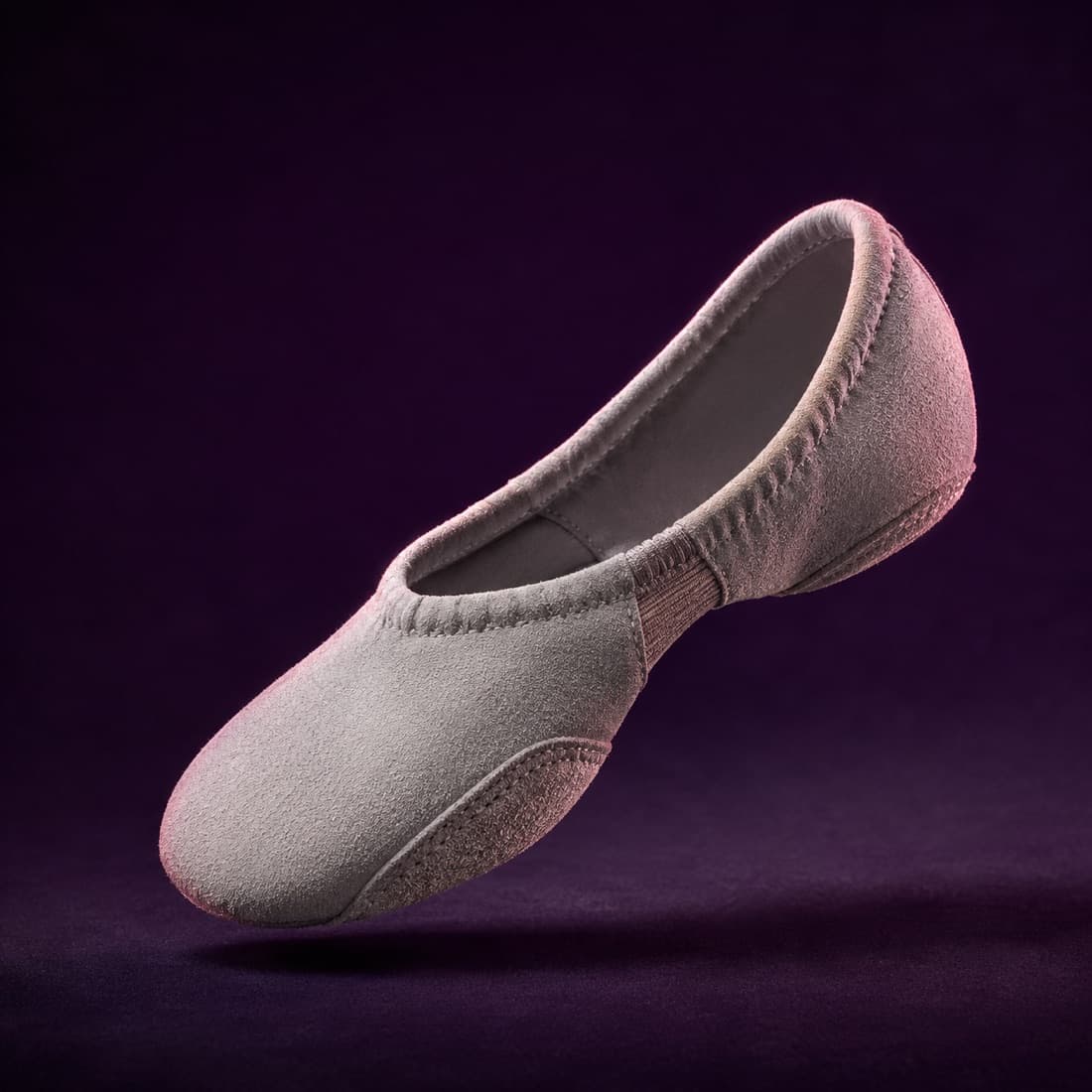
Two pads with a bare gap at the arch. The shoe bends further, so the shape of a point reads more clearly. Nothing about that gap changes what your foot can do — it changes what the shoe stops doing.
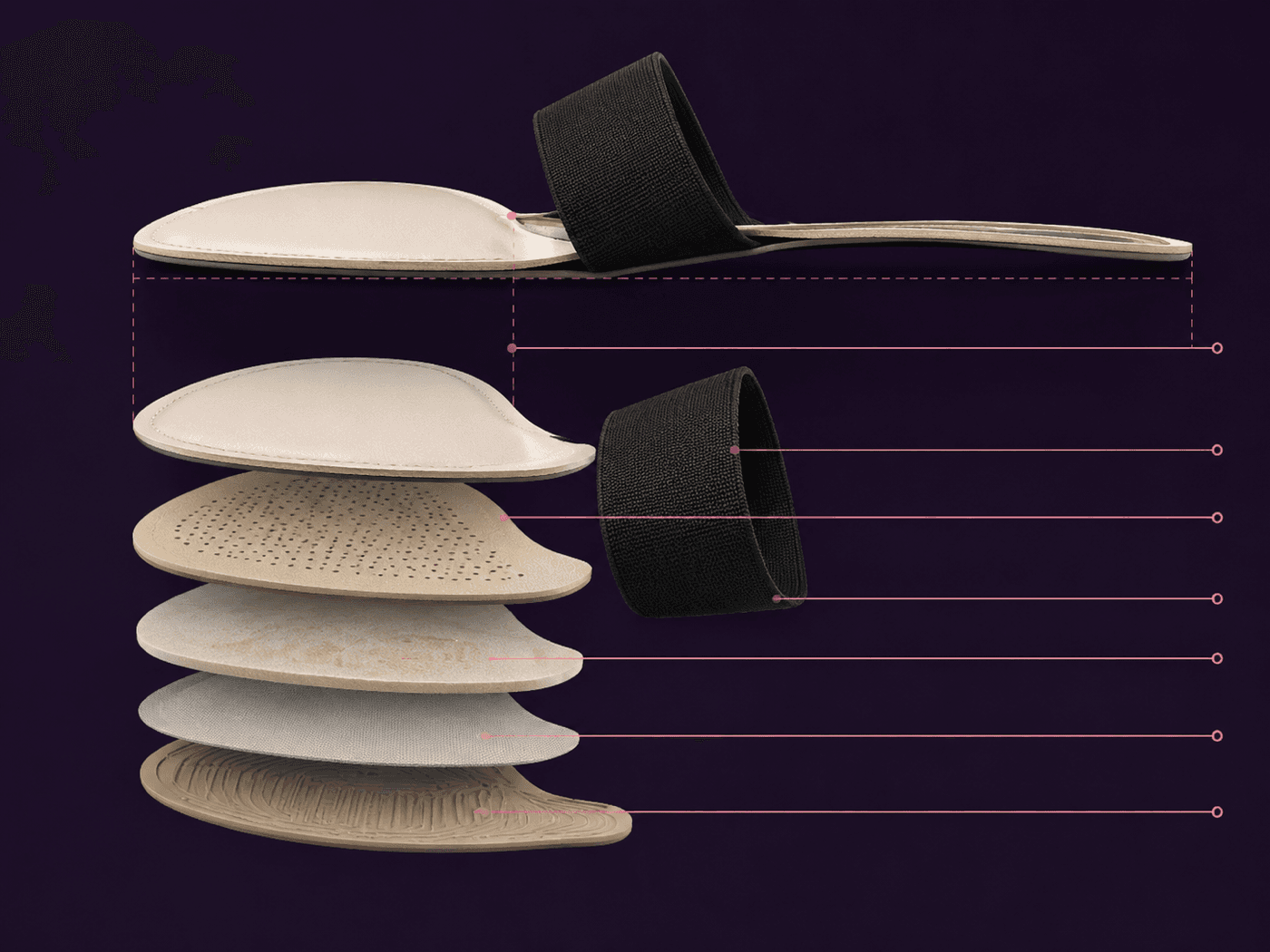
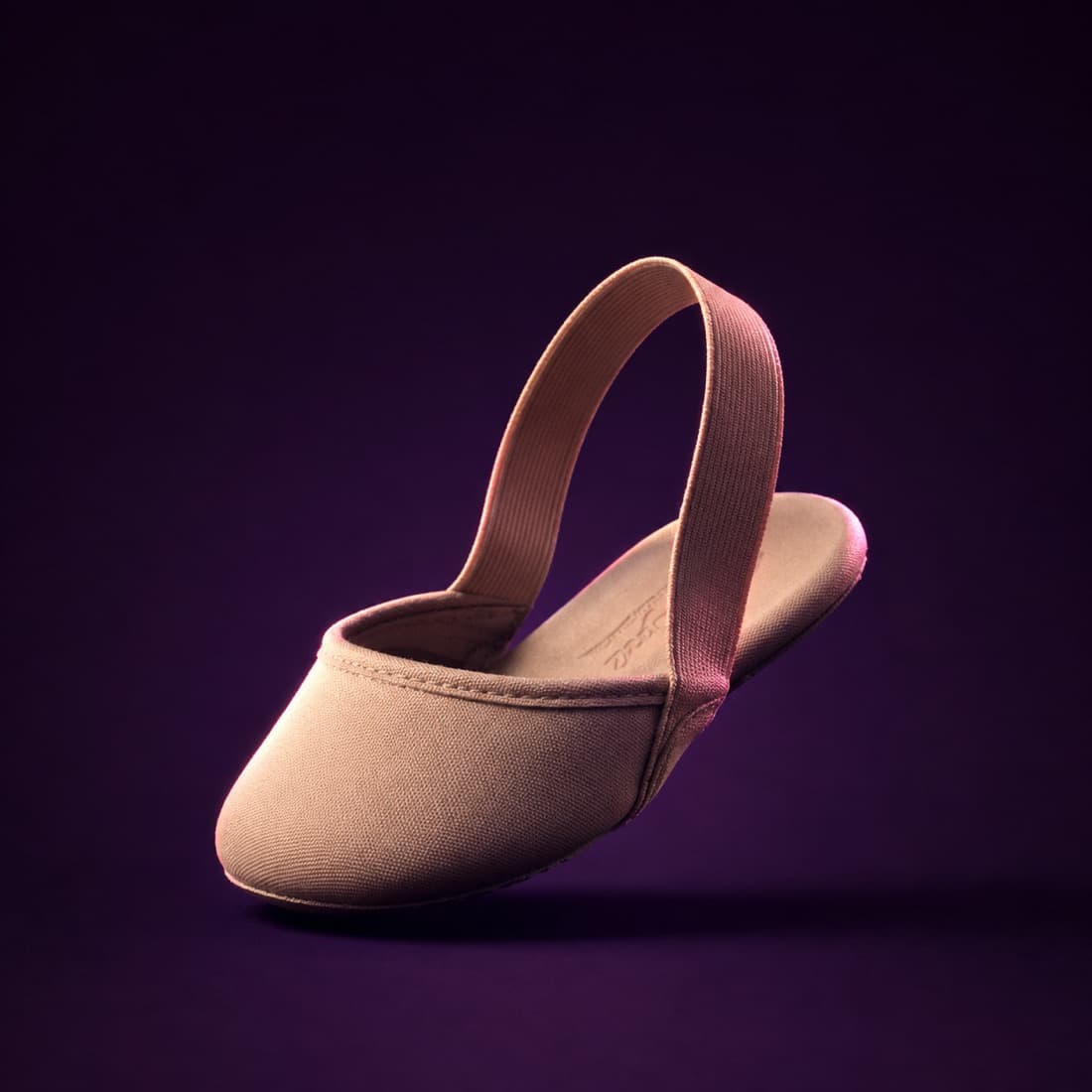
The pad covers the ball of the foot only. The heel stays bare. Used in contemporary work where most of the foot is meant to be in contact with the floor.
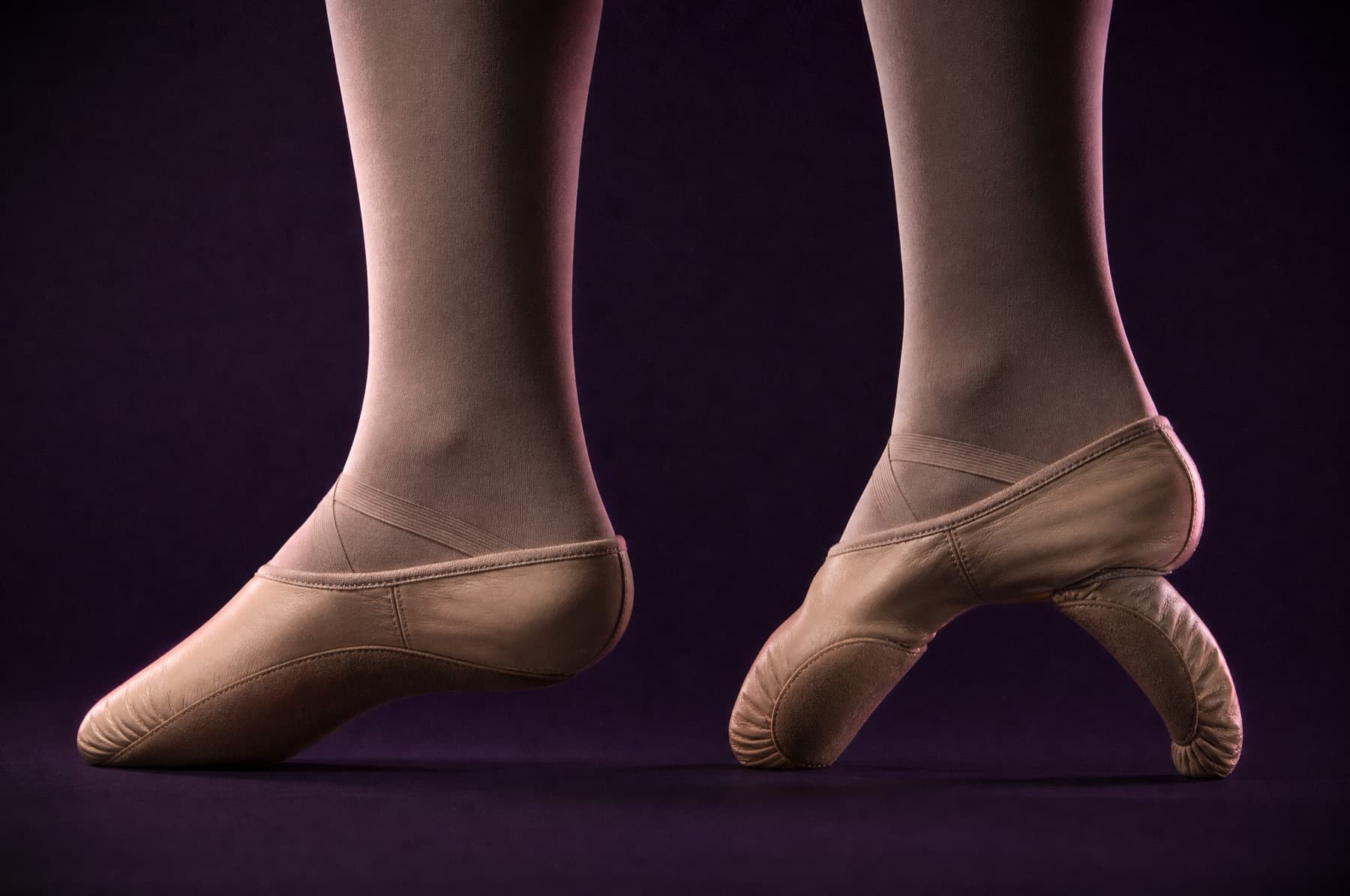
Same size, same last, same lighting. One bends at the arch and one does not.
Soles and floors, in full05Six lines, forty shoes
06Where most people start
07Care
08What we will not tell you
01
We make no injury-prevention, ankle-support, arch-correction or therapeutic claim about anything we sell. A soft shoe is a soft shoe. If you have a foot problem, that is a conversation with a clinician, not with a shop.
02
Grip is a property of the floor, its finish and how recently it was cleaned. We can tell you the bottom is suede, 1.4 mm, split into two pads. We cannot tell you how it will behave in your studio.
03
We do not. Pointe shoes need a fitter to assess each foot individually for shape, strength and fit. Selling them online is not something we are willing to do.