Two questions
The floor decides the bottom. Not the name of the class.
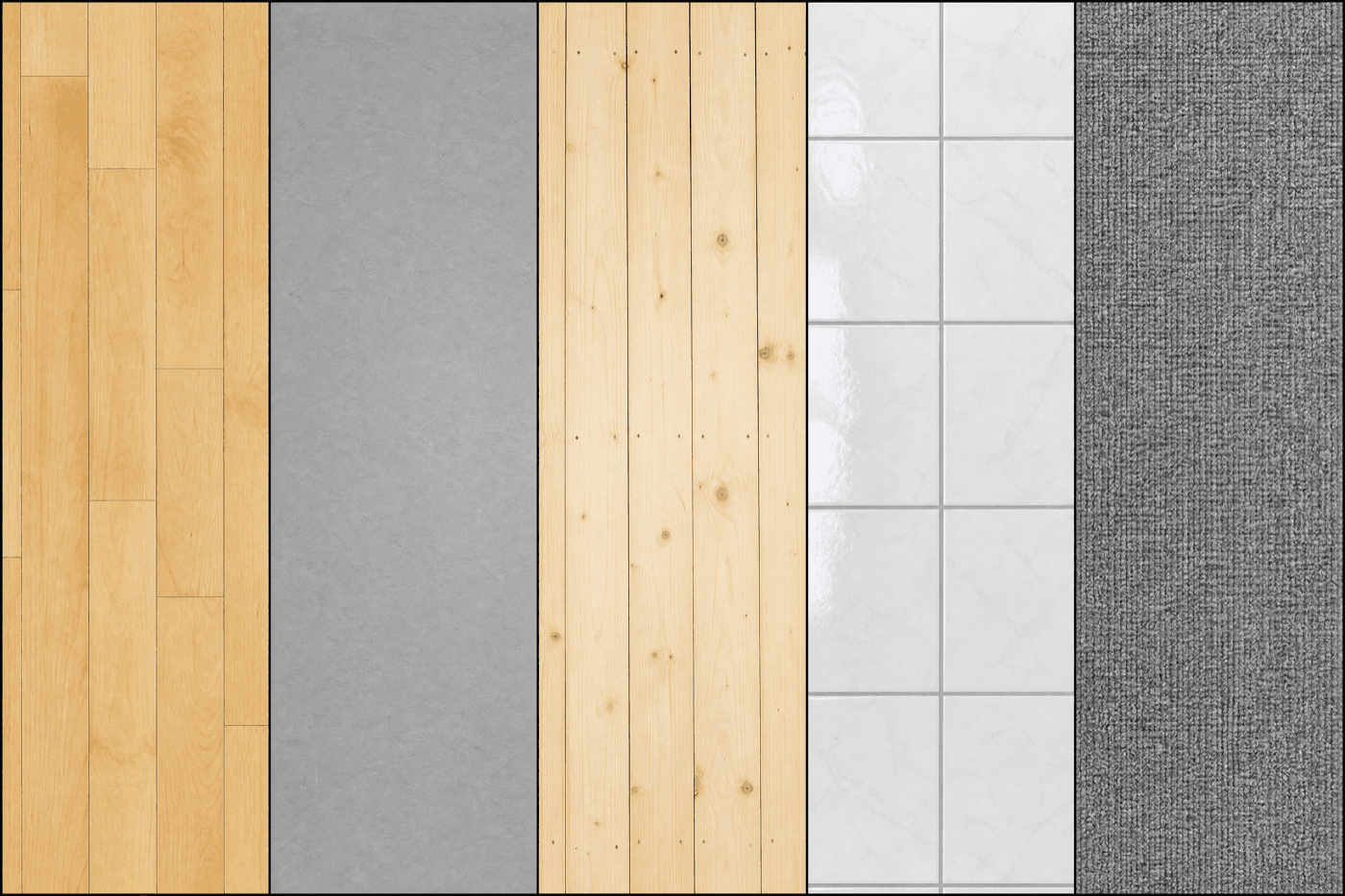
Two answers and we will tell you what the bottom should be made of.
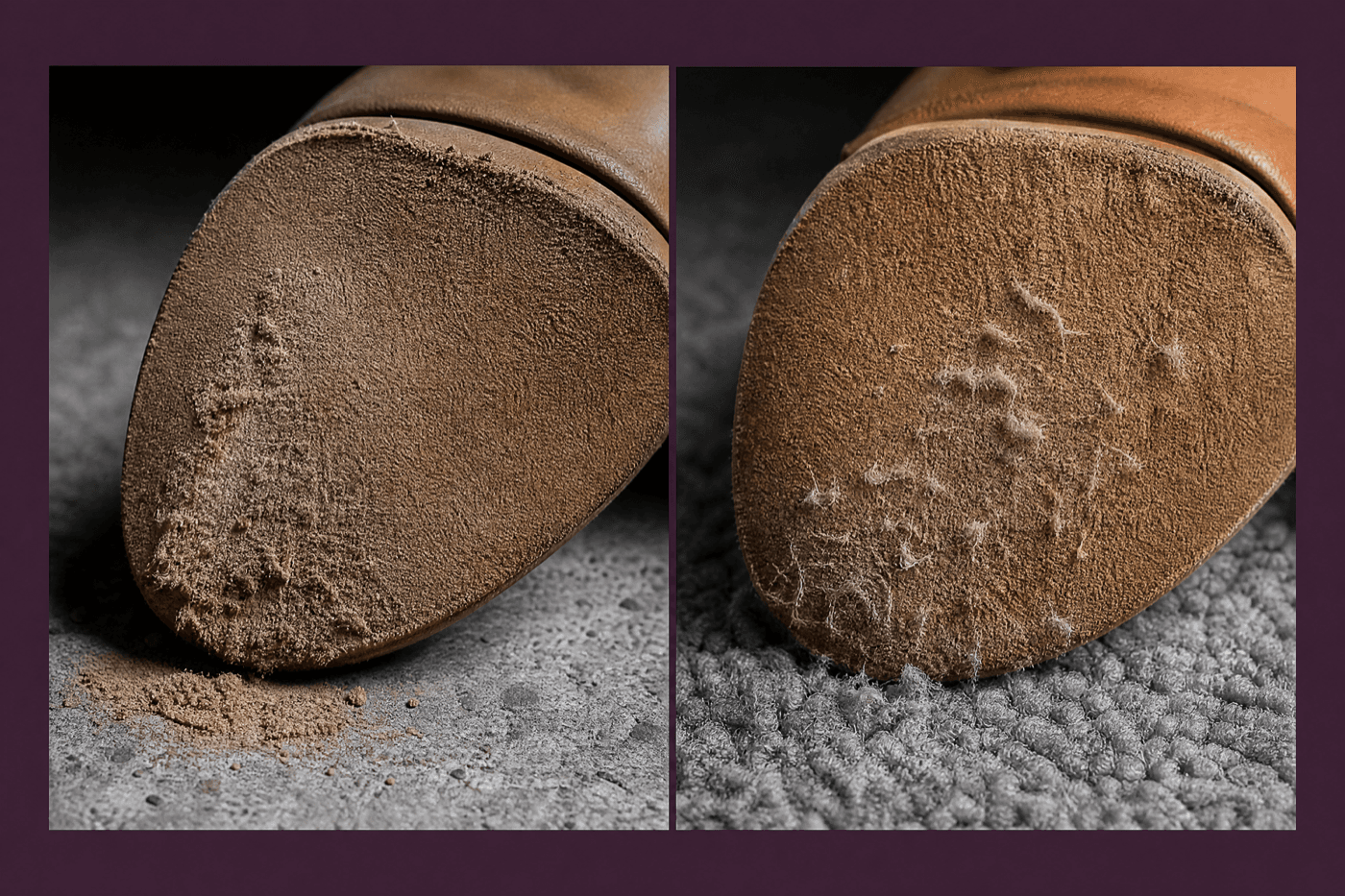
Why we sometimes recommend nothing
Every bottom we make is soft: suede, thin leather, or a textile pad. Soft bottoms are made for surfaces that are smooth, sealed and slightly forgiving. On tile or concrete they abrade quickly and there is nothing underneath to take the load of a landing.
We could put a shoe in front of you anyway. Most shops would. But you would be back in a month with a bottom worn through, and that is not a defect we can put right under the legal guarantee — it is the wrong shoe for the surface.
Carpet is a different problem. It grips too much rather than too little, which makes any pivot hard work for a full shoe. A half sole or a foot pad has less material sitting in the fibres. That is a statement about friction. It is not a safety claim, and we are not making one.
The soles and floors page sets out every bottom material we use, what each one is, and what happens to it over time.