01
Brush the sole
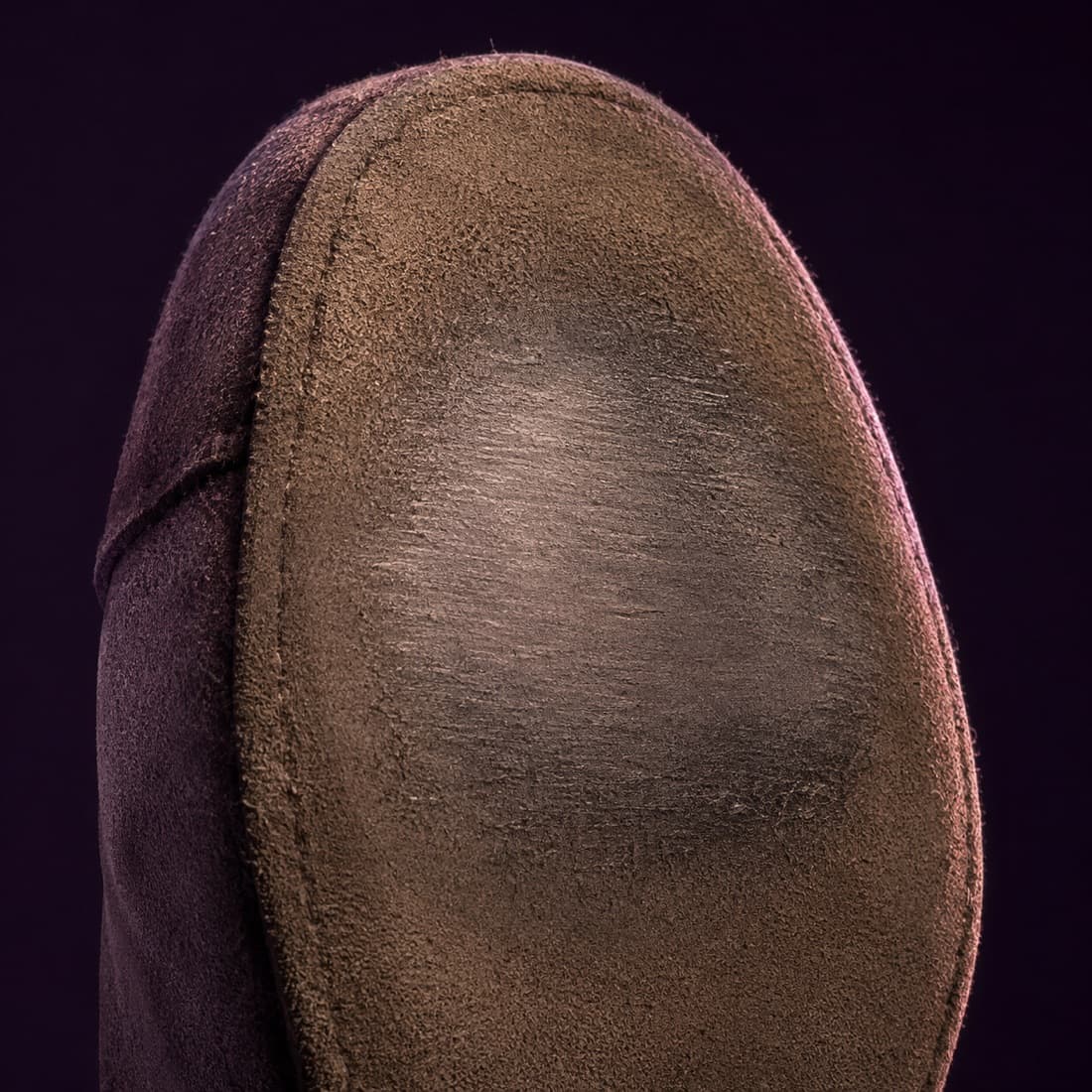
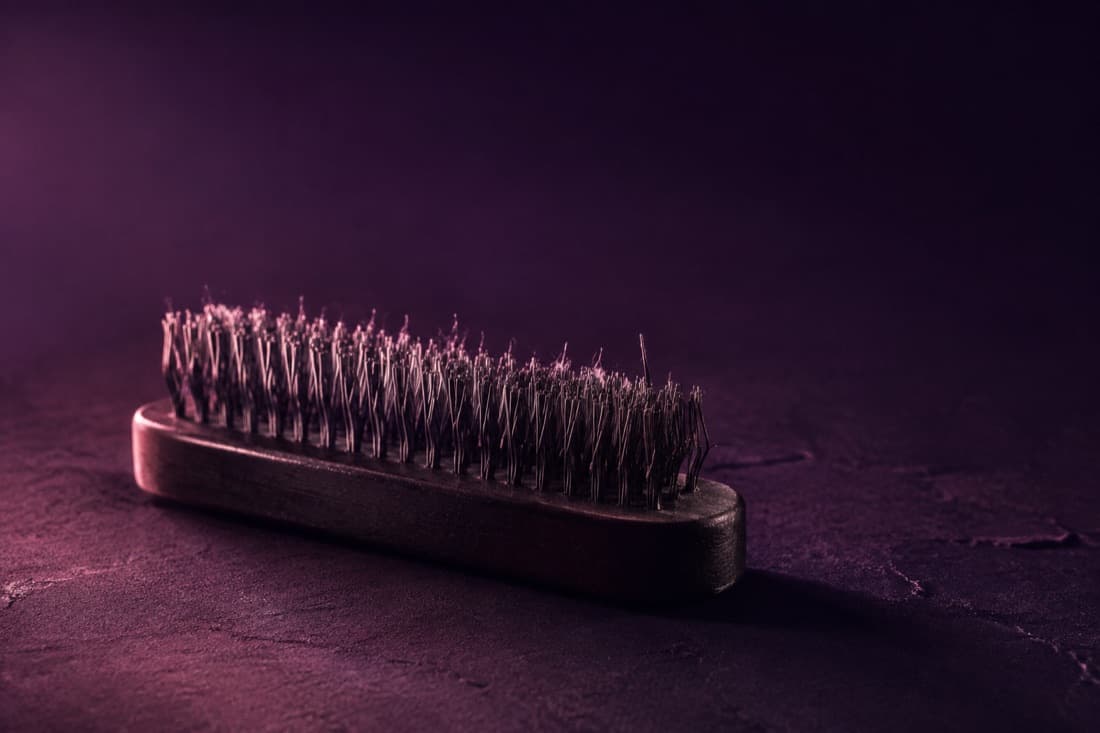
A steel-bristle brush, drawn across the sole rather than along it, lifts the flattened fibres back up. Do it when the sole starts to look glazed rather than on a schedule — you will see it before you feel it.
Care
01
A steel-bristle brush, drawn across the sole rather than along it, lifts the flattened fibres back up. Do it when the sole starts to look glazed rather than on a schedule — you will see it before you feel it.
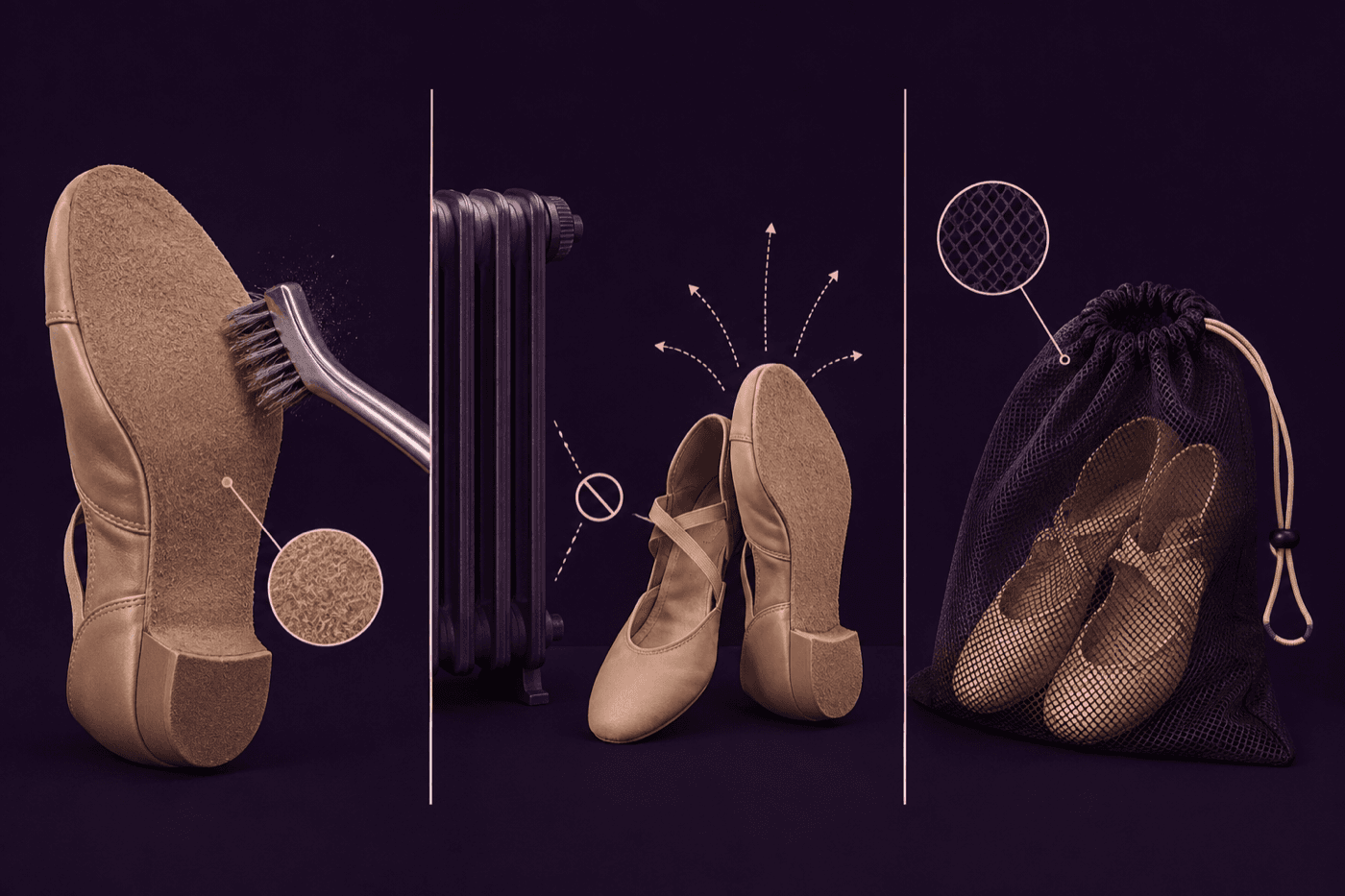
02
Sweat is what kills a lining. Take the shoes out of the bag when you get home and let them dry in open air. Not on a radiator, not in direct sun — heat shrinks leather and hardens the glue line.
03
An open mesh bag rather than a sealed plastic one. A damp shoe in an airtight bag is how a lining starts to smell, and no amount of brushing fixes that afterwards.
When it looks glazed, not on a timetable. A sole used twice a week on sealed wood might need it monthly; the same sole on unsealed boards will need it far sooner, because open grain takes the nap down faster.
Brushing does not restore a sole that has thinned. It lifts fibres that are still there. Once the suede has worn through to the backing, the shoe has reached the end of its life and that is ordinary wear rather than a fault.
Canvas uppers tolerate a hand wash in cool water if you must, but never with the sole submerged — water in the glue line is what separates a sole from an upper. Leather and satin should not be washed at all; wipe with a barely damp cloth and let them dry in air.
Nothing here belongs in a washing machine or a tumble dryer. The mesh bag we sell is machine washable at 30 °C. The shoes are not.
That is wear, and it happens fastest at the toe because that is where the shoe meets the floor when you travel. Satin can be dyed and touched up by a cobbler; we do not sell a product for it and we would rather not pretend one exists.
No. A sole separating from the upper, a split-sole pad tearing away at its stitched edge, a seam opening under ordinary use — those are defects, and the three-year legal guarantee covers them. The guarantee page lists the distinction with examples and explains how to make a claim.
Grip depends on the floor, its finish, and how it's cleaned. We can only tell you what the bottom is made of.