Skip to content
Ritmo
Bag0

Soles and floors

Everything about the part that touches the ground

The upper decides how the shoe looks and how it holds your foot. The bottom decides how it behaves on the floor. This page is entirely about the bottom.
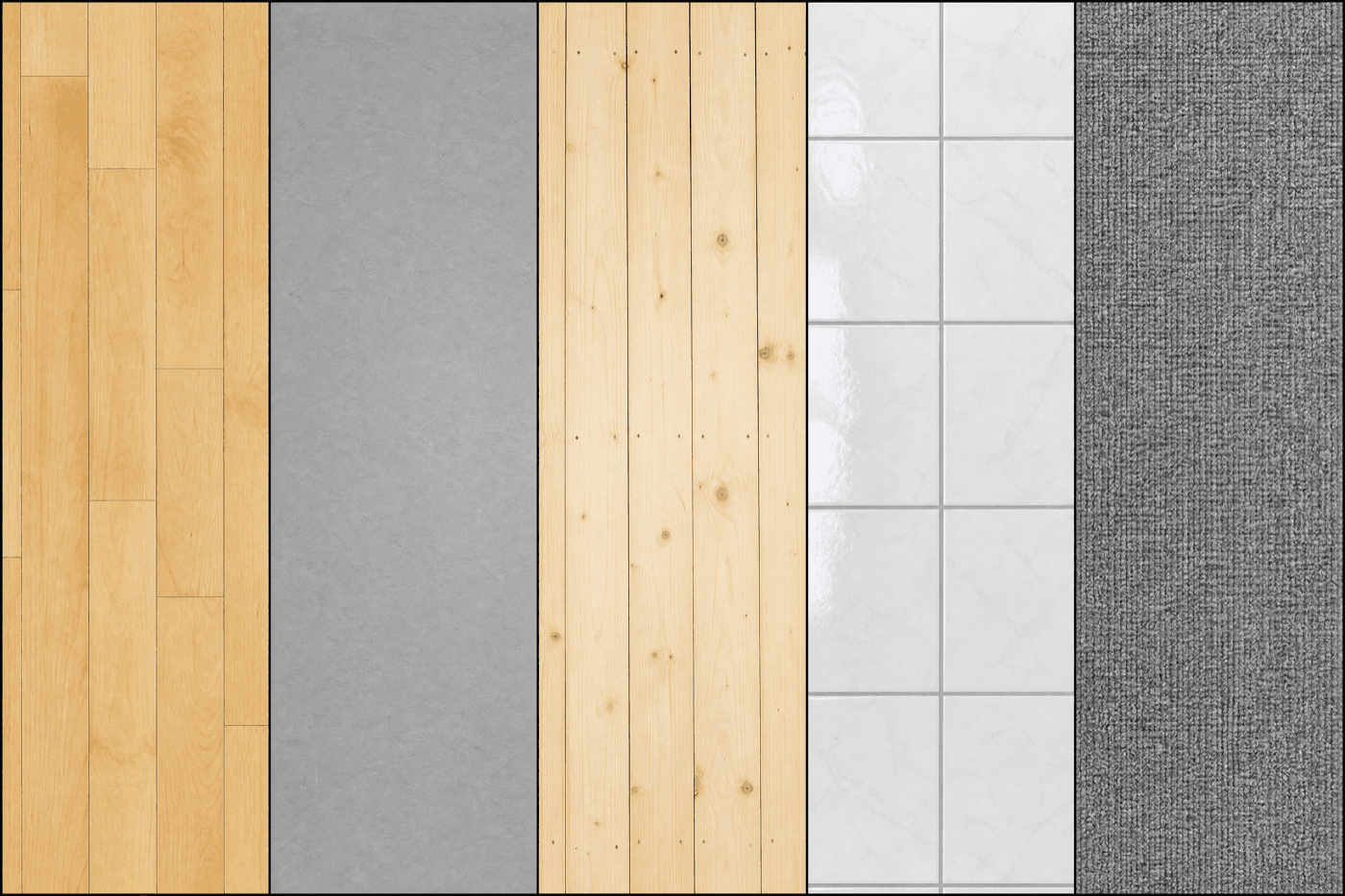
Five floor surfaces photographed flat as material swatches under identical light

Three bottom materials, and that is the whole list

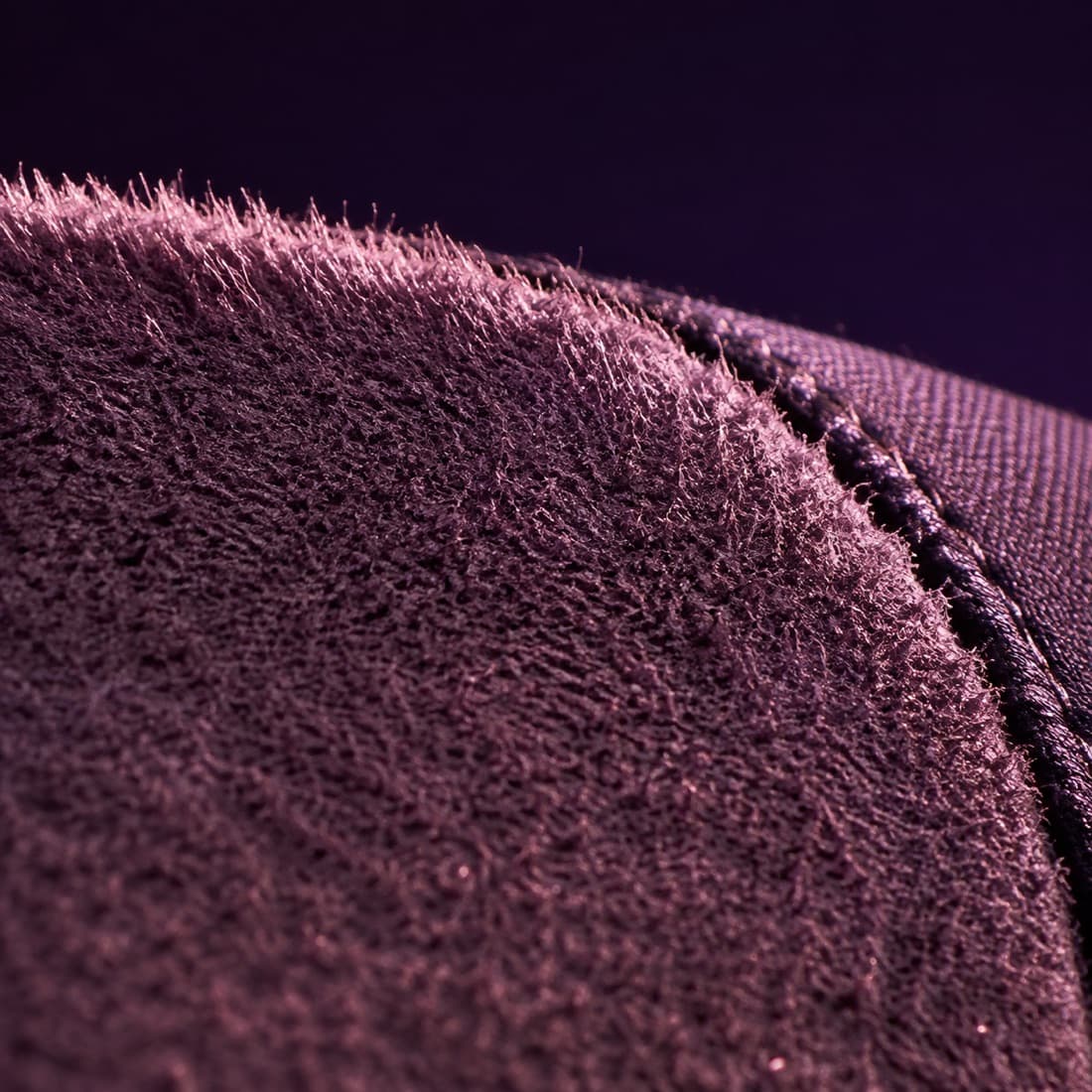
Macro of a fresh suede sole with the nap raised

Suede

Split leather, napped face down, 1.4–2.4 mm

The most common bottom on a dance shoe and the one on most of what we sell. The napped fibres stand up when the sole is new and lie down with use. Legally it is leather, and it is labelled couro on the material tag.

Macro of a smooth leather sole

Leather

Smooth-finished leather, 1.5–1.6 mm

Slicker than suede on the same floor. Some dancers choose it for that, others find it too fast. We make it on two ballet shoes and one contemporary half sole and we do not treat it as an upgrade.

Macro of a thin rubber outsole with a fine herringbone tread

Rubber

Thermoplastic rubber, 2.5–3 mm, fine tread

On two products only, both of which are indoor shoes rather than studio shoes. Rubber holds rather than releases, and it marks vinyl. It is not a bottom for turning on.

Grip depends on the floor, its finish, and how it's cleaned. We can only tell you what the bottom is made of.

Which floor takes which bottom

Read this as a description of the materials, not a promise about how any particular studio floor will feel.

Floor surfaces against the sole materials we make for them
FloorWhat we make for itWhat it does to the bottom
Sprung woodSuede, leatherModerate resistance on suede. The nap goes down over time and the sole then behaves differently.
Marley / vinylSuede, leatherThe most predictable of the four, because the surface is manufactured rather than site-finished. Rubber marks it.
Plain wood, unsealedSuedeOpen grain is abrasive and takes the nap down faster. A leather bottom thins quickly, so we do not point you at one.
Tile or concreteNothingAbrades any soft bottom quickly and offers no give at all underfoot.
CarpetHalf soles, foot padsGrips rather than releases. A full shoe has more material sitting in the fibres than a half sole does.
Sprung wood surface, photographed from directly above
Sprung wood
Marley / vinyl surface, photographed from directly above
Marley / vinyl
Plain wood, unsealed surface, photographed from directly above
Plain wood, unsealed
Tile or concrete surface, photographed from directly above
Tile or concrete
Carpet surface, photographed from directly above
Carpet

The questions we actually get

Full sole or split sole — which should I buy?

We are not going to answer that for you, because the answer depends on what your teacher wants and how long you have been dancing, and we know neither.

What we can tell you is what each one does to the shoe. A full sole keeps one continuous piece of material under the whole foot, so there is more resistance under the arch when you rise. Many beginner classes start there. A split sole leaves the arch bare between two pads, so the shoe bends further and the shape of a point reads more clearly.

Neither construction changes what your foot is capable of. One of them just stops resisting sooner.

My suede sole feels different after a month. Is it faulty?

Almost certainly not. Suede nap stands up when the sole is new. Use presses those fibres flat and polishes them, and a flattened sole slides more than a fresh one. That is the material doing what suede does.

A steel brush drawn across the sole lifts the fibres again. This is upkeep, in the same way that a suede jacket needs brushing. The care page shows the three steps, and the brush is twelve dollars rather than bundled into the price of every shoe.

I only have tile at home. What can I practise in?

Nothing we make. We would rather say that than take your money. Every bottom in this range is soft, and a soft bottom on tile or concrete abrades quickly while giving you nothing underfoot.

Most people in this position end up with a portable practice panel — a piece of sprung wood or marley laid over the hard floor. We do not sell those and we are not recommending a particular brand. We are telling you the shoe is not the part that solves this.

For carpet the problem runs the other way. Carpet grips, so a full shoe has to fight the fibres to pivot. A half sole or a foot pad has less material in contact. That is a friction observation, not a safety recommendation.

Do you sell pointe shoes?

No, and we do not intend to. A pointe shoe has to be assessed on the individual foot — its shape, its strength, how the box sits against the toes, whether the dancer is ready at all. That assessment is done in person by a trained fitter, usually alongside a teacher.

Selling that online means guessing at the one thing that cannot be guessed at. Nothing on this site is pointe-ready and no shoe here should be used for pointe work.

My sole has worn thin. Is that covered?

Wear is not a defect, and the distinction matters because the three-year legal guarantee covers one and not the other. Some concrete examples:

Normal wear, not covered: the suede nap has gone flat and shiny; the sole has thinned under the ball of the foot; the canvas has softened and stretched; the satin on a latin shoe has scuffed at the toe; the elastic has slackened after a season.

A defect, covered: the sole has come unglued from the upper; a split-sole pad has torn away at its stitched edge; the upper has split along a seam under ordinary use; a buckle has snapped; the two shoes of a pair are visibly different sizes.

The guarantee page sets out how to make a claim and what we do about it.
Will these shoes protect my ankles or improve my technique?

We make no such claim about anything we sell, and you will not find one anywhere on this site. No injury prevention, no ankle support, no arch correction, no therapeutic effect, no promise that any shoe will make you turn better or jump higher.

A soft dance shoe is a thin layer between your foot and the floor. If you have pain or a foot condition, that is a conversation with a clinician and with your teacher, and a shop is the wrong place to have it.